United Kingdom
 USA
USA

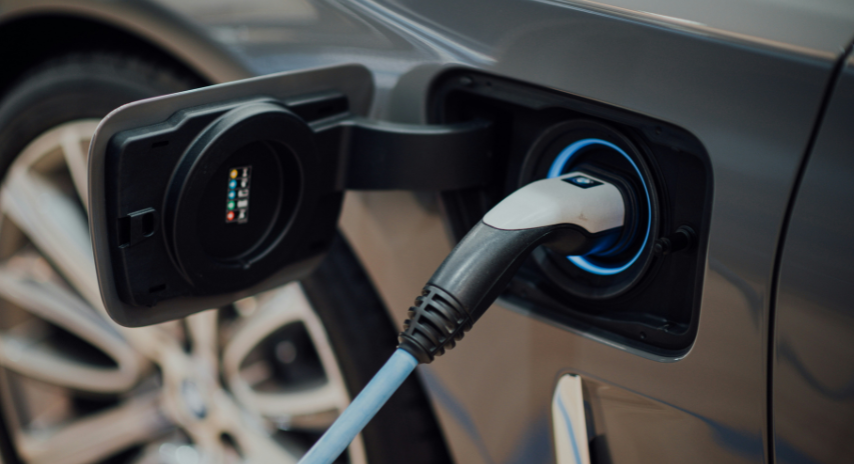
Installing EV chargers for managed properties is increasingly seen as a valuable modern amenity and an important part of supporting the transition to electric vehicles. But for property managers, freeholders and RMC directors, EV charger installation in a flat block can involve considerably more than installing a few wall-mounted charge points.
Depending on the property and the scale of the installation, an EV charging project can involve electrical upgrades, new cabling, building penetrations, changes to car park infrastructure and additional fire-safety considerations. These changes can affect the cost and complexity of reinstating the property following a major insured loss.
This makes the potential impact on insurance one of the major challenges of EV chargers for flats.
It’s not just about insuring the EV chargers
When it comes to EV chargers for a block of flats, there’s more to think about than whether the chargers themselves are covered by your buildings insurance.
Another area that needs attention is whether your declared building value still reflects the cost of reinstating the property as it exists today, including significant infrastructure and alterations that have been added since the last Reinstatement Cost Assessment (RCA).
Related – Green upgrades and underinsurance: What UK property owners need to know
If a major retrofit has changed the building’s electrical infrastructure, fire-safety arrangements or the complexity of accessing and reinstating affected areas, it may be appropriate to review the declared reinstatement value.
Here are three reasons why, if you’re thinking about installing, or have already installed, EV chargers as part of your building management, you should consider whether your current insurance coverage needs a rethink.
1. EV charging can add high value physical and safety infrastructure
Depending on the capacity required and the existing electrical infrastructure, retrofitting a block of flats with EV charger provision may involve upgraded distribution equipment, additional cabling, fire-safety containment, electrical switchgear and, in some cases, significant alterations to the building’s incoming electrical supply.
For some high-rise or high-density residential properties, these works can involve a substantial investment. The precise cost will depend on the existing infrastructure, the number and type of chargepoints, the available electrical capacity and the design of the installation. But this additional infrastructure can increase the total amount required to reinstate the property.
This is why EV chargers and property management can be complicated – and commissioning an RCA following significant works is an important step in combating underinsurance risk.
2. Fire-related damage can create complex reinstatement requirements
EV fires are relatively uncommon, but fires involving lithium-ion batteries can be problematic in terms of property reinstatement, especially where vehicles are parked and charged in enclosed or subterranean areas.
A fire can cause damage extending beyond the vehicle itself. Depending on its severity and location, heat, smoke, fire-fighting water and other contaminants can affect building fabric and services.
In a serious incident, determining the extent of damage may require specialist investigation before repair work can begin, including structural testing, decontamination, and temporary support works.
These complex post-incident requirements mean that restoring a building after a fire in a charging area can carry higher professional and specialist costs.
3. Access, demolition and specialist works can increase reinstatement costs
The cost of reinstating a building isn’t limited to the materials used to reconstruct it.
In a dense urban environment, demolition, site clearance, waste removal, access restrictions, temporary works, professional fees and other project costs can all contribute to the overall rebuild value of the property.
For a high-rise residential building, the need to work around occupied parts of the property can add further complexity.
Related – How often should you have a Reinstatement Cost Assessment?
Could your EV chargers affect your building’s declared value?
Most managing agents will contact their broker or insurer when significant alterations are made to a property. That’s an important step, but notifying your insurer that chargers have been installed is not necessarily the same as reviewing the building’s declared reinstatement value.
The more useful question is:
Does the current declared value still represent the cost of reinstating the building as it exists today?
If your block has undergone significant electrical or other infrastructure changes since its last assessment, an updated RCA can provide evidence to support a review of your coverage.
This is particularly important because construction costs, building requirements and the condition and configuration of individual properties change over time. Simply applying annual indexation to a historic valuation may not capture every change to a complex building.
How Cardinus can help protect your block from underinsurance
Our professional Reinstatement Cost Assessment service provides property managers, freeholders and RMC directors with an independent review of the cost required to reinstate their building.
Our assessments account for the complex building infrastructure of high-rise residential properties and provide an accurate, documented basis for reviewing your declared building value with your broker or insurer.
If you’ve recently invested in an EV charger installation in a flat block, or other substantial building works, it may be worth reviewing whether your existing sum insured still reflects the property as it stands today.
Contact Cardinus to find out more about our Reinstatement Cost Assessments by RICS-regulated assessors, or request a quote on our RCA service page.