United Kingdom
 USA


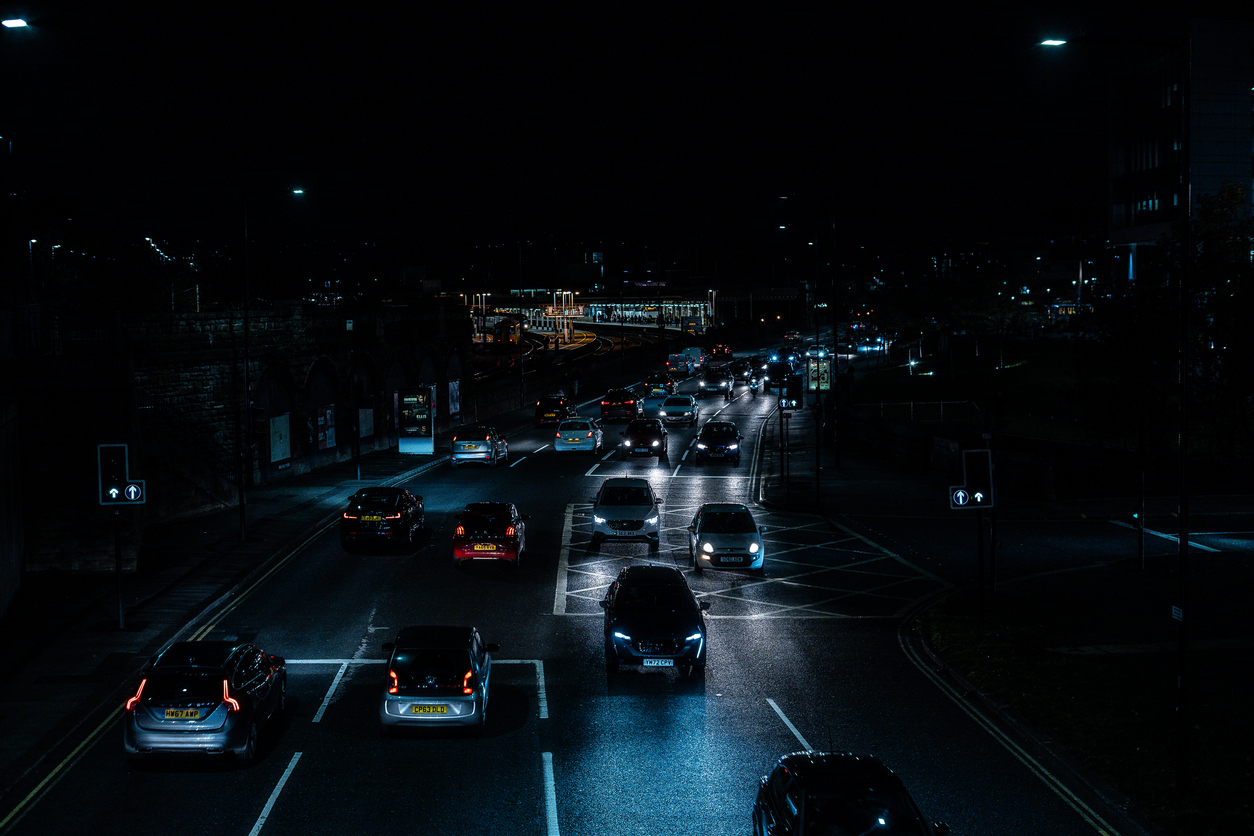
As the evenings draw in, more journeys take place after sunset. Whether travelling to a client meeting, commuting or heading home after a busy day, darkness can make even familiar roads more demanding.
Road safety remains an important issue for employers and drivers. In 2025, 29,918 people were killed or seriously injured on Great Britain’s roads, a 4% increase on the previous year, according to the latest Department for Transport figures. Reduced visibility, glare, poor weather and tiredness can all add to the challenge of driving during the darker months.
A little preparation and a few changes to driving habits can make a real difference.
Keep reading for practical tips to help you and your employees prepare for safer journeys as the nights draw in.
Prepare before you set off
A safer journey starts before you get behind the wheel. Take a few minutes to check your vehicle and make sure you’re prepared for the journey ahead.
Clean your headlights, mirrors and windows, including the inside of the windscreen, as dirt can make glare from approaching headlights worse. Fully demist your windows before setting off and check that your lights are working properly.
It’s also worth checking the weather and traffic conditions, particularly if you’re travelling somewhere unfamiliar. Roadworks, closures, diversions and poor weather can add time to your journey, so plan ahead and give yourself enough time to avoid feeling rushed.
For longer journeys, keep your phone charged and consider carrying a torch and warm clothing in case you’re delayed or need assistance.
Use your lights thoughtfully
Your lights help you see what’s ahead, but they’re equally important in making sure other road users can see you.
Use dipped headlights as daylight fades. On dark, unlit roads, main beam can improve visibility, but remember to dip your headlights whenever they could dazzle another road user, including when approaching or following another vehicle.
Fog lights should only be used when visibility is seriously reduced and switched off when conditions improve.
Give yourself more time to react
Adapt your speed to the distance you can see clearly ahead, ensuring you have enough room to stop safely.
Take particular care around crossings, junctions, residential streets and unlit roads, where pedestrians, cyclists or animals may be more difficult to spot. Maintain a safe distance from the vehicle ahead and increase it when conditions deteriorate. On wet roads, stopping distances are at least twice those required on dry roads.
Glare can also make it harder to identify hazards. Avoid looking directly at approaching headlights and slow down if you’re dazzled. If you regularly struggle to see clearly after dark, arrange an eye examination and make sure you use any glasses prescribed for driving.
Take tiredness seriously
Driving home after a long working day can bring another risk: fatigue. Dark, quiet roads can create a false sense of security, but tiredness can have a serious impact on your ability to drive safely.
Plan breaks into longer journeys and don’t set off if you’re already tired. If you start to feel drowsy, find somewhere safe to stop and rest rather than trying to push through it.
Reaching your destination later is always preferable to continuing when you can’t stay alert.
Make safer journeys part of work planning
When employees drive for work, safer journeys aren’t solely the responsibility of the person behind the wheel.
Driving after dark should be considered as part of driving-for-work risk assessments, alongside the driver, vehicle and journey. This should also include employees who use their own vehicles for business travel.
Realistic schedules, appropriate breaks and clear arrangements for reporting vehicle defects or fatigue concerns can all help reduce risk. Where practical, employers can also consider alternatives such as travelling during daylight hours, holding meetings remotely or arranging an overnight stay following a particularly demanding day.
Winter driving microlearning
Support safer winter journeys with our Winter driving microlearning video, available free until the end of the year to help employees prepare for the challenges of driving in darker, colder conditions.