United Kingdom
 USA
USA

When it comes to the seated office worker, few people have spent as much time studying chair ergonomics as Alison Heller-Ono.
With more than 30 years of experience as a Board-Certified Professional Ergonomist (CPE), educator and founder of Worksite International, Alison has helped organisations around the world improve employee wellbeing through better workstation design and chair assessment. In this article, she explains why the humble office chair is one of the most misunderstood workplace assets.
Quick question: When was the last time you gave your office chairs a second thought after purchase and installation? If you’re like most employers, the honest answer is “hardly ever.” And that’s exactly the problem.
Chairs are the one piece of equipment your seated employees use for more than eight hours a day, yet they are routinely bought cheaply, chosen at random, assigned haphazardly, and ignored until they break or someone complains. Employers treat chairs like furniture, when they are actually a critical health and wellbeing system.
Here are eight impactful reasons the humble office chair is so badly misunderstood, undervalued, and flat-out disrespected – and why it’s costing you far more than you think.
1. Chair quality, competency and fit contribute to seated work injuries
Employers rarely grasp the impact poor seating has on seated-work injuries – or the cost. A “bad chair” is usually old, worn, poorly fitted, failing, or broken, and it’s a root cause in most seated-work injury claims. Per the National Safety Council’s 2023 data, U.S. companies spend billions a year – roughly $1,080 per worker and about $43,000 per medically consulted injury in the USA. In the UK, a typical seated-work MSK injury runs roughly £10,000-£25,000 per case.
2. Who’s buying your chairs?
Buying chairs is treated like a guessing game, and in most companies, nobody clearly owns the decision. What does IT or Purchasing know about chair fit, function and task performance as it relates to chair selection for employees? It gets worse when employees pick their own – the chair often doesn’t fit and isn’t adjustable, primarily because employees don’t know what criteria to look for. You typically get one chance to buy a chair; make it the right one. Select based on fit and function criteria, then price and looks.
3. Chairs are most often selected by price
When buyers choose chairs from a catalog or online for under $200-$350 with short warranties, these cheap chairs often fail within one to three years, yet remain in the workplace far longer. In early 2025, a consumer recall of ~64,000 WorkPro Momentum chairs (~$329.99) over a fall hazard because the back could separate from the seat pan. Imagine the work injuries resulting from this trauma. A cheap chair can become a claim worth ten times its price. This begets the question, “Are your chairs an asset or liability?”
4. There’s a social hierarchy to chairs
In many organisations, the higher the status and pay, the pricier and more featured the chair. Chair selection is driven by salary and status, not by seated-task intensity. Often the person working the longest hours gets the cheapest and worst chair. Do you see a social hierarchy in your organisation when assigning chairs to workstations or when making purchasing decisions? Is the employee “worthy” of that good chair investment?
5. How a chair looks matters
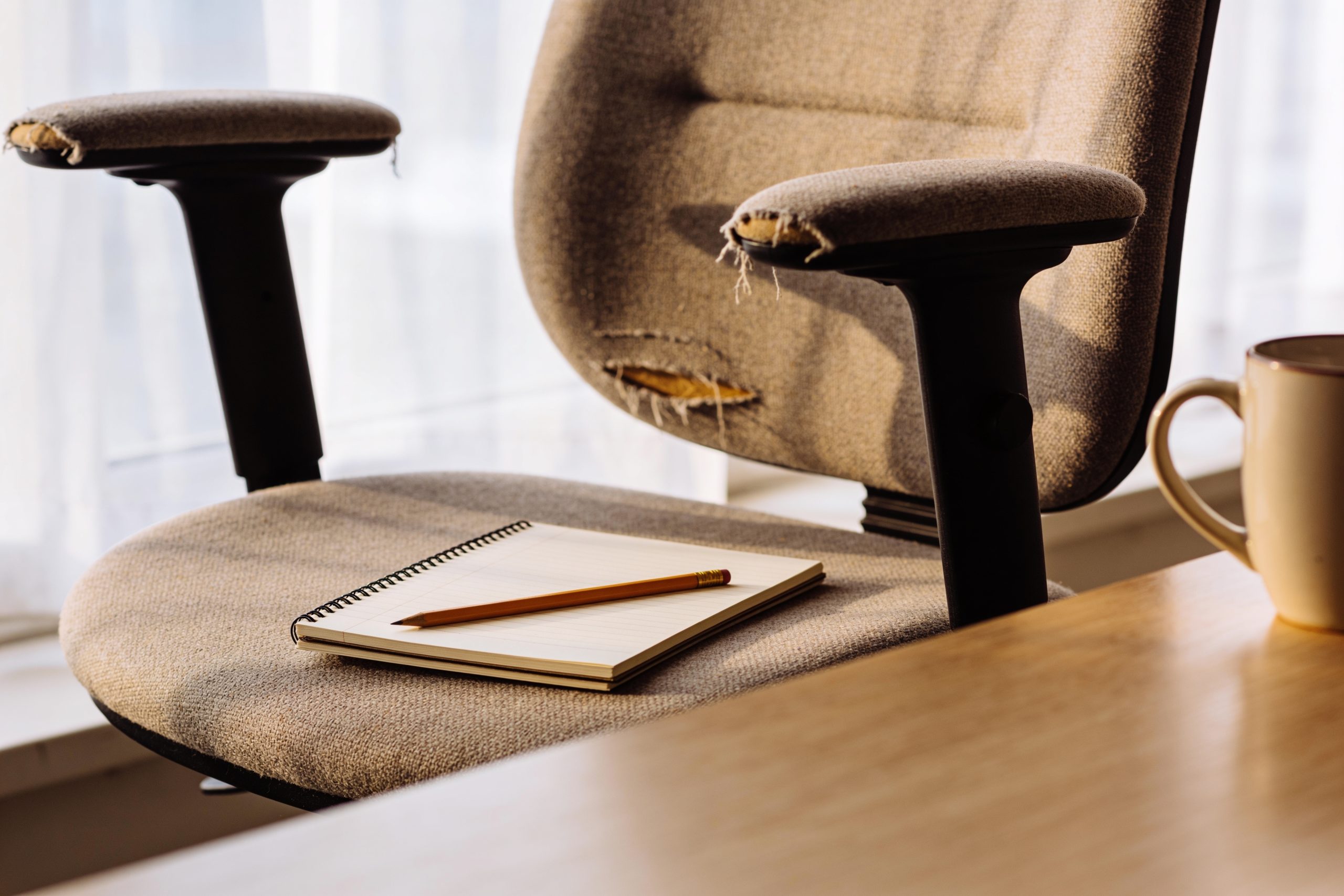
A ripped, stained, outdated chair signals how little an employer values an employee’s productivity. And over the years, chairs accumulate sweat, dead skin, spills, dust mites and dirtier. Employers rarely clean chairs. Mesh chairs are dust magnets created by static electricity and clothing creating a potential allergy concern for many. Imagine how employees feel when they walk into work daily and see a downtrodden, uncomfortable chair that hasn’t been replaced in years.
6. How a chair fits matters
There is usually no rhyme or reason for how chairs are assigned in the workplace. Chairs get assigned willy-nilly, not by fit or stature. The tall employee is in the small chair, the petite employee is in the oversized chair, the larger employee is in the narrow chair. It makes no sense! Chairs should be assigned based on who they will fit. If you notice piles of cushions and back supports, these are indicative of the wrong fit. Stop spending money on this short-term fix. Assess your chairs for competency, adjustability, and fit.
7. The stand-up revolution is really a sit-down revolt
Ever wonder what started the stand-up desk revolution in the workplace? Our chairs became so uncomfortable, employees needed to stand! It’s not just that we sit too much – it’s what we’re sitting on that drove us to the sit to stand desk revolution. People want to stand because their chairs are awful, causing bodily pain to their back, legs, buttocks and more. It’s a literal uprising!
8. A chair is an essential system critical to seated-worker health
A chair is critical part of an ergonomics system of people, tools, and technology – yet we disrespect, undervalue, and poorly manage it instead of treating it like the health-critical asset it is. Managing chairs as a system is essential to employee health, wellbeing and productivity.
The good news is that most of these issues are preventable when organisations take a more strategic approach to chair management.

What can employers do differently?
The good news is that improving seated-worker comfort and reducing risk doesn’t necessarily mean spending more money. It means managing chairs more strategically by taking a systems-approach.
Take these actions:
- Inventory your current chairs.
Identify damaged, worn or poorly functioning equipment. You can’t manage what you don’t know exists. - Match chairs to users and tasks.
Assign chairs based on fit and function rather than location, status or job title. - Recognise short-term fixes
Cushions, supports and add-ons are often signs of a deeper chair-fit issue. Address the root cause rather than the symptoms. - Train employees.
Show employees how to adjust their chairs correctly. Even the best chair can be ineffective if it’s not set up properly. - Include seating in ergonomic assessments.
Chair fit, function and adjustability should always form part of workstation and ergonomics reviews. - Use manufacturer warranties.
Take advantage of warranty support, repairs and refurbishment options before replacing chairs. Don’t leave money on the table. - Treat chairs as assets.
Implement a preventive maintenance and replacement strategy instead of viewing seating as a one-time furniture purchase. - Become a Chair Assessment Specialist
Every employer should have at least one Go-to-Chair Expert trained in the science of sitting, chair assessment, selection, and fit, whether it’s a member of your facilities or purchasing team, an ergonomics evaluator, or your trusted chair vendor.
By taking these simple steps, employers can improve comfort, productivity, and employee wellbeing, while reducing the likelihood of costly musculoskeletal issues and injury claims related to chair use.
Before we conclude, it’s worth considering whether the chairs in your workplace are truly matched to the people using them.
To learn more about chair selection and fit, and how to match employees to the right seating solution, consider completing a chair profile with your employees.
Give Your Chairs the Respect They’re Owed
All eight reasons trace to one root cause: we don’t see the chair as the essential health system it is. The fix is to spend wisely – own the decision, fit chairs to people and tasks, use your warranties, and manage chairs as assets. Do that, and the chair becomes a smart investment in a robust system where every seated worker’s health, comfort, and productivity matters.
Want to understand whether the chairs in your organisations are assets or liabilities? Learn more about chair asset management (CAS), or book a consultation with Alison Heller-Ono.